Eye pressure is an important part of maintaining healthy vision, but many people do not think about it until they experience an eye problem. Also known as intraocular pressure (IOP), eye pressure refers to the pressure created by the fluid inside your eyes. Maintaining a healthy balance is essential for the normal functioning of your eyes and long-term vision.
High eye pressure does not always cause noticeable symptoms, which is why regular eye check-ups are important. If left undetected, consistently high eye pressure can increase the risk of glaucoma, a condition that can damage the optic nerve and lead to permanent vision loss.
Understanding what eye pressure means, what causes it to change, and when to consult an eye specialist can help you protect your eyesight.
What Is Eye Pressure?
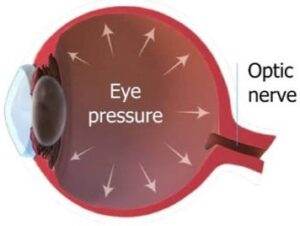
Your eyes contain a clear fluid called aqueous humour. This fluid provides nutrients to different parts of the eye and helps maintain its shape. It continuously flows into and drains out of the eye.
When the fluid drains properly, eye pressure generally remains within a healthy range. However, if the fluid does not drain efficiently or its production and drainage become unbalanced, pressure inside the eye may increase.
Eye pressure is measured in millimetres of mercury (mmHg). For many adults, the typical range is around 10–21 mmHg, although the ideal pressure can vary from person to person.
It is important to remember that a normal pressure reading does not completely rule out glaucoma, and some people with high eye pressure may never develop the condition.
Why Is Eye Pressure Important?
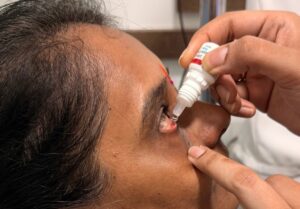
Eye pressure matters because it can affect the health of the optic nerve, which carries visual information from the eye to the brain. When pressure remains too high, it may damage the optic nerve over time. This damage is often painless and may not cause noticeable changes in vision during the early stages.
Glaucoma is one of the major concerns associated with elevated eye pressure. In its early stages, it can develop without obvious warning signs. As the condition progresses, it may gradually affect peripheral vision and, in advanced cases, cause significant vision loss. Regular eye examinations can help identify pressure changes and other signs of eye disease before serious damage occurs.
What Causes High Eye Pressure?
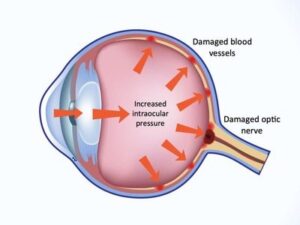
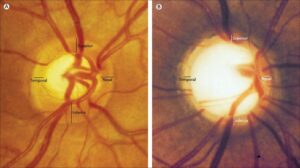
Several factors can contribute to increased eye pressure. Common causes and risk factors include:
- Poor fluid drainage: When aqueous humour cannot drain properly, pressure may
- Age: The risk of glaucoma increases as people get
- Family history: Having a close relative with glaucoma may increase your
- Certain medications: Long-term use of corticosteroids, including some eye drops, can raise eye pressure in susceptible individuals.
- Eye injuries or conditions: Previous eye trauma and certain eye diseases may affect fluid drainage.
- Other health factors: Some medical conditions and individual eye characteristics can influence the risk of elevated pressure.
High eye pressure does not automatically mean you have glaucoma. However, it is important to have it evaluated by an eye specialist.
What Are the Symptoms of High Eye Pressure?
One of the biggest challenges with high eye pressure is that it often does not cause any symptoms. Many people feel completely normal even when their pressure is elevated.
In some cases, the underlying eye condition may cause symptoms such as :
- Blurred or reduced
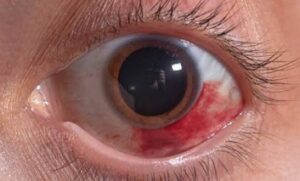
- Spot of blood on the white part of the eye
- Eye pain or
- Redness in the
- Halos around
- Headache, nausea, or vomiting when a sudden rise in pressure occurs, such as during an acute angle-closure glaucoma attack.
Seek urgent medical attention if you experience sudden severe eye pain, blurred vision, halos around lights, or eye pain accompanied by nausea or vomiting. These may indicate an eye emergency. Do not wait for symptoms to appear before checking your eye health.
How Is Eye Pressure Checked?
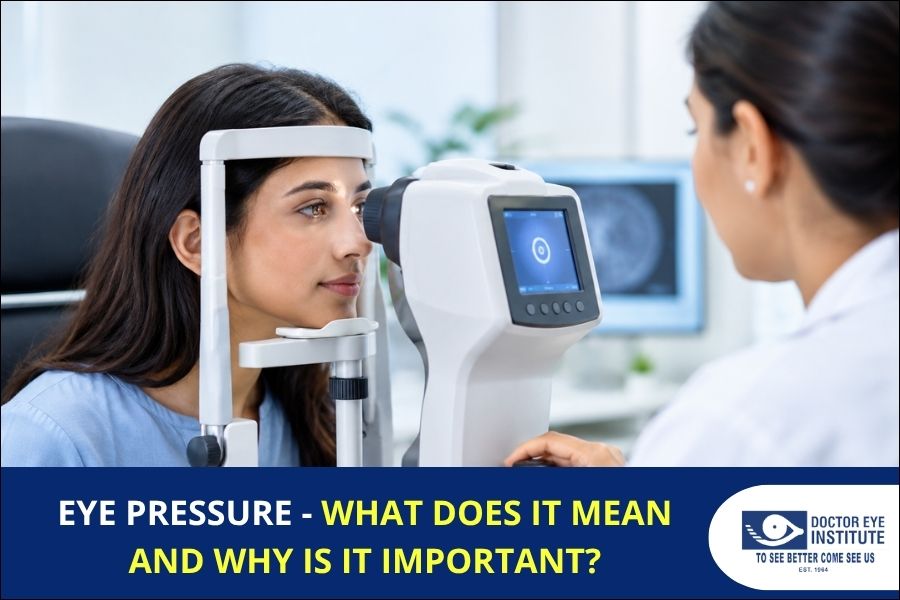
An eye specialist can measure eye pressure through a simple test called tonometry. Depending on the method used, a small instrument may gently touch the eye after numbing drops are applied, or a device may measure pressure using a gentle puff of air.
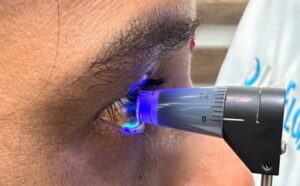
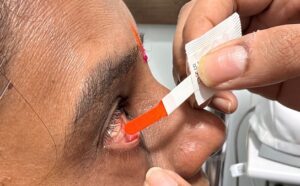
Your doctor may also recommend additional tests, such as :
- Optic nerve examination: To look for signs of nerve
- Visual field test: To check whether your side vision has been
- OCT scan: To assess the optic nerve and related retinal nerve
- Gonioscopy: To examine the drainage angle of the
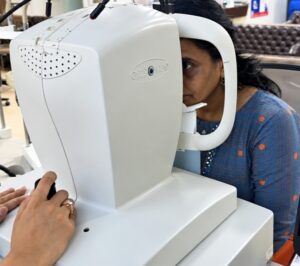
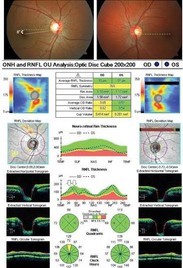
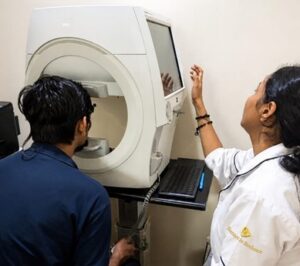
If you are looking for an eye pressure test in Andheri, a comprehensive eye examination can help determine whether your pressure is within a suitable range and whether further investigation is necessary.
How Can You Maintain Healthy Eye Pressure?
Although high eye pressure cannot always be prevented, regular monitoring and appropriate medical care can help reduce the risk of vision damage.
Follow these simple steps:
- Schedule regular eye examinations: Especially if you are over 40 or have a family history of glaucoma.
- Follow your treatment plan: If prescribed eye drops, use them exactly as
- Avoid self-medication: Do not use steroid eye drops without medical
- Share your medical history: Inform your eye specialist about your medications and any previous eye injuries.
- Attend follow-up appointments: Eye pressure can change over time, so monitoring remains important even when you have no
Lifestyle habits can support general eye health, but they cannot replace prescribed treatment or regular pressure checks.
When Should You Visit an Eye Specialist?
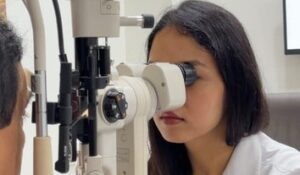
You should consider an eye examination if you have been diagnosed with high eye pressure, have a family history of glaucoma, or have not had your eyes checked for a long time.
If you are searching for a glaucoma specialist in Andheri, choose an eye care professional who can evaluate your pressure, examine the optic nerve, and recommend further testing when needed.
People with known glaucoma or elevated eye pressure may require regular follow-ups, even if their vision appears normal. Early diagnosis and consistent treatment can help protect the vision you have.
Eye Pressure Evaluation at Doctor Eye Institute, Andheri
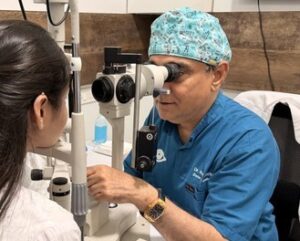
At Doctor Eye Institute, Andheri, protecting your vision starts with understanding your eye health. Regular eye examinations can help detect changes in eye pressure and identify potential risks associated with glaucoma before significant vision damage occurs.
If you have a family history of glaucoma, are experiencing vision changes, or have concerns about elevated eye pressure, consulting an eye specialist can help you take the right steps towards better eye health.
With a focus on timely diagnosis, personalized care, and long-term vision protection, Doctor Eye Institute supports patients seeking reliable eye pressure check-ups and glaucoma evaluation in Andheri.
Frequently Asked Questions (FAQs)
What is normal eye pressure?
Eye pressure typically ranges from 10–21 mmHg in many adults, but individual readings must be assessed by an eye specialist.
Can high eye pressure cause blindness?
High eye pressure can increase the risk of glaucoma, which may cause permanent vision loss if not managed appropriately.
Does high eye pressure cause symptoms?
Usually, it has no noticeable symptoms. Regular eye examinations are important for early detection.
How is eye pressure measured?
Eye pressure is measured using a test called tonometry, which is generally quick and painless.
How often should I check my eye pressure?
The frequency depends on your age, risk factors, eye health, and medical history. Your eye specialist can recommend a suitable schedule.