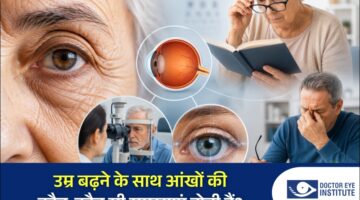
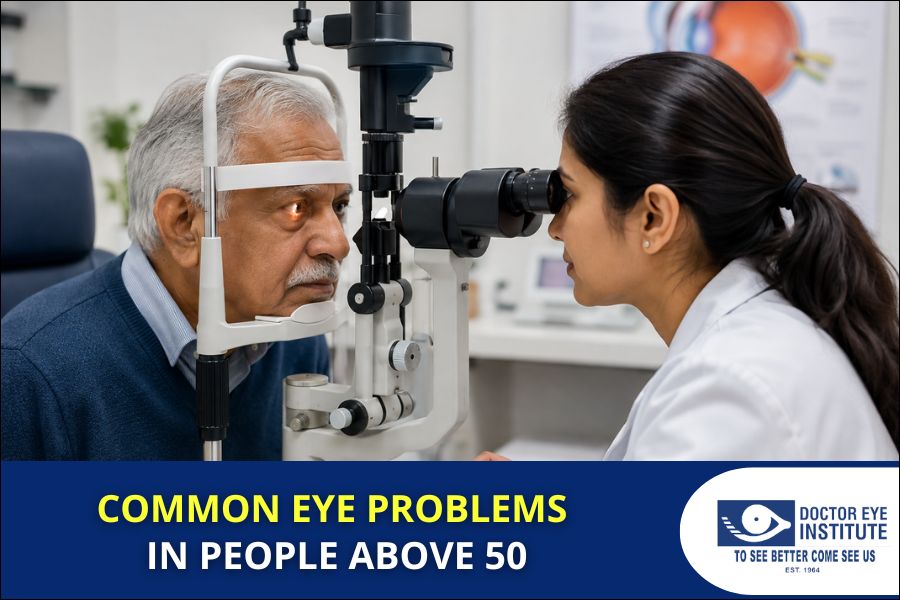
As people grow older, their eyes naturally undergo several changes. Reading small print may become difficult, vision may appear blurry, and sensitivity to light may increase. While some age-related changes are normal, others may indicate underlying eye conditions that require medical attention.
Many eye diseases develop slowly and show very few symptoms in the early stages. Unfortunately, this means that many adults over 50 ignore minor vision problems until they begin to affect their daily lives.
Understanding the most common eye problems that affect older adults can help with early diagnosis and treatment. Regular eye examinations play a crucial role in preserving vision and maintaining overall eye health.
Why Do Eye Problems Increase After the Age of 50?
Aging affects almost every part of the body, including the eyes. The eye’s lens becomes less flexible, tear production decreases, and the retina becomes more vulnerable to damage.
Several other factors can also increase the risk of eye diseases, including:
- Diabetes
- High blood pressure
- Smoking
- Obesity
- Excessive exposure to sunlight
- A family history of eye disease
Because these risk factors become more common with age, people above 50 should schedule regular eye examinations.
Common Eye Problems in People Above 50
Presbyopia
Presbyopia is one of the earliest and most common age-related eye conditions. It usually begins in the early to mid-40s and becomes more noticeable after 50.
People with presbyopia often experience:
- Difficulty reading small print
- Eye strain while reading
- The need to hold books or mobile phones farther away
- Headaches after prolonged close-up work
Presbyopia occurs because the eye’s natural lens gradually loses its ability to focus on nearby objects. Reading glasses, bifocal lenses, and progressive lenses are common treatment options.
Cataracts
Cataracts are among the leading causes of vision loss in older adults.
A cataract develops when the normally clear lens of the eye becomes cloudy. This cloudiness prevents light from passing through properly, resulting in blurred or distorted vision.
Common symptoms include:
- Cloudy or blurry vision
- Difficulty seeing at night
- Increased sensitivity to light
- Faded colors
- Frequent changes in eyeglass prescriptions
Although cataracts develop slowly, they can significantly affect daily activities if left untreated. Cataract surgery is a safe and effective procedure that can restore clear vision in most cases.
If you’re looking for Cataract treatment in Andheri, it’s important to choose an eye care center that offers accurate diagnosis and advanced treatment options. Doctor Eye Institute provides comprehensive cataract evaluations and personalized treatment plans to help patients restore clear and healthy vision.
Glaucoma
Glaucoma is often called the “silent thief of sight” because it can damage the optic nerve without causing noticeable symptoms in the early stages.
Risk factors for glaucoma include:
- Age above 60
- Diabetes
- High blood pressure
- A family history of glaucoma
Symptoms that may appear in advanced stages include:
- Blurred vision
- Peripheral vision loss
- Eye pain
- Headaches
Because vision loss caused by glaucoma is usually irreversible, early detection through regular eye examinations is essential.
If you’re looking for Glaucoma treatment in Andheri, early detection is the key to preventing permanent vision loss. Doctor Eye Institute offers specialized glaucoma screening and treatment services to help patients effectively manage the condition and protect their eyesight.
Age-Related Macular Degeneration (AMD)
Age-related macular degeneration affects the macula, the central part of the retina responsible for detailed vision.
AMD can make it difficult to perform everyday activities such as:
- Reading
- Driving
- Recognizing faces
- Watching television
Common symptoms include:
- Distorted vision
- Dark spots in the center of vision
- Difficulty seeing fine details
Dry Eye Syndrome
Many adults over 50 experience dry eyes because tear production naturally decreases with age. Symptoms include:
- Burning sensations
- Redness
- Itching
- A feeling that something is stuck in the eye
- Excessive tearing
Treatment options may include artificial tears, prescription eye drops, and lifestyle modifications.
Diabetic Retinopathy
Diabetes can damage the tiny blood vessels in the retina, leading to diabetic retinopathy. People with diabetes may experience:
- Blurred vision
- Floaters
- Dark spots
- Fluctuating vision
Regular retinal examinations are especially important for individuals with diabetes because early stages often develop without symptoms.
Visit Doctor Eye Institute for the Best Eye Care in Andheri
If you are looking for specialized eye care, Doctor Eye Institute – Best Eye Hospital in Andheri offers comprehensive eye examinations, advanced diagnostic services, and personalized treatment plans for various age-related eye conditions. Regular visits to an experienced eye specialist can help detect problems early and ensure better long-term eye health.
Frequently Asked Questions
1. What is the most common eye problem after the age of 50?
Cataracts, presbyopia, glaucoma, and dry eye syndrome are among the most common eye problems affecting people over 50.
2. How often should people above 50 have an eye examination?
Most adults over 50 should have a comprehensive eye examination at least once every one to two years or as recommended by their eye specialist.
3. Can age-related eye diseases be prevented?
Although some eye conditions cannot be completely prevented, regular eye checkups, a healthy diet, and proper management of chronic diseases can reduce the risk.
4. What are the warning signs of serious eye problems?
Sudden vision loss, eye pain, flashes of light, blurred vision, and an increase in floaters should never be ignored.