

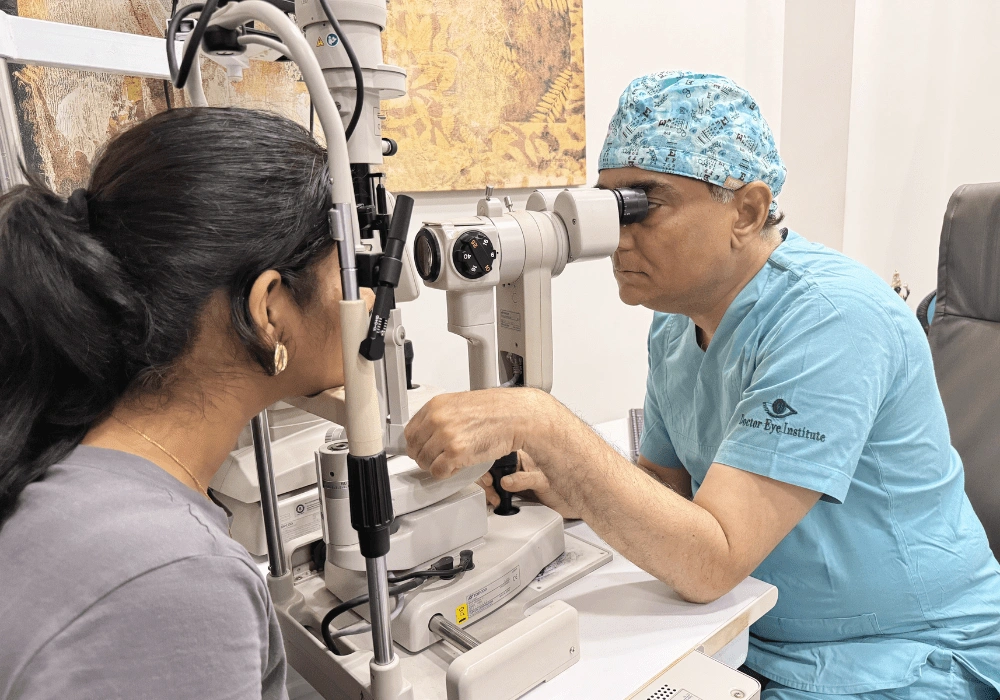
Glaucoma Surgery in Andheri, Mumbai
Doctor Eye Institute provides comprehensive glaucoma treatment in Andheri. Our ophthalmology team evaluates eye pressure, the drainage angle, optic nerve health and visual field changes to understand the type and severity of glaucoma and determine the most appropriate treatment plan.
Glaucoma can progress gradually and may cause permanent damage to the optic nerve before noticeable symptoms appear. Early diagnosis, regular monitoring and timely treatment are important for protecting the vision that remains.
NABH Accredited
What Is Glaucoma?
Glaucoma is a group of eye diseases that can damage the optic nerve, the nerve that carries visual information from the eye to the brain. In many forms of glaucoma, abnormal drainage of the fluid inside the eye can contribute to increased intraocular pressure (IOP). However, glaucoma can also occur with eye pressure that is not unusually high.
At Doctor Eye Institute, glaucoma care is based on detailed examination and appropriate investigations rather than eye pressure alone.
Who Should Consider Regular Glaucoma Screening?
Glaucoma risk varies from person to person. Your ophthalmologist may recommend more frequent examinations when you have one or more risk factors.
- Increasing age
- A family history of glaucoma
- Raised intraocular pressure
- Previous eye injury or certain eye conditions
- Previous eye injury or certain eye conditions
- Long-term use of steroid medicines in susceptible individuals
- Previous diagnosis of ocular hypertension or glaucoma
A person can have glaucoma without obvious symptoms, so risk assessment and regular eye examinations are important.
Comprehensive Glaucoma Evaluation in Andheri
Before recommending glaucoma treatment or surgery, the ophthalmologist assesses the overall condition of the eye and looks for evidence of optic nerve damage, visual field loss and abnormal fluid drainage.
- Intraocular pressure measurement
- Optic nerve examination
- Visual field testing / perimetry
- Gonioscopy to evaluate the drainage angle
- Central corneal thickness / pachymetry where clinically indicated
- Assessment of the optic nerve and retinal structures
- Review of previous eye pressure, visual field and treatment records
- Assessment of cataract or other eye conditions that may affect the treatment plan
Glaucoma Treatment Options at Doctor Eye Institute
There is no single treatment that is suitable for every glaucoma patient. Treatment depends on the type of glaucoma, intraocular pressure, optic nerve status, visual field findings, rate of progression, previous treatment and overall eye health.
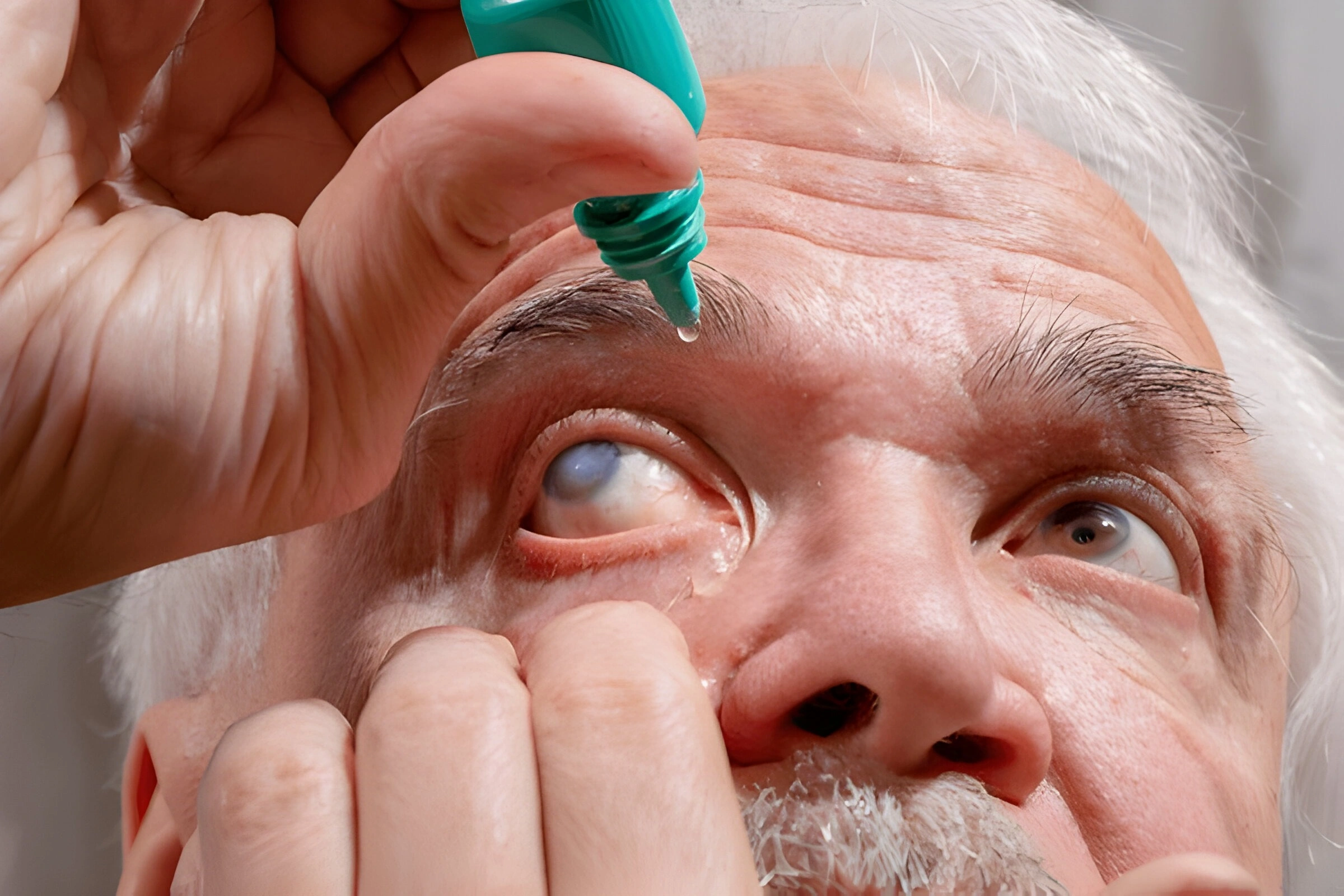
- Prescription glaucoma eye drops
- Laser treatment for selected types of glaucoma
- Glaucoma surgery when clinically indicated
- Ongoing monitoring of intraocular pressure, optic nerve and visual fields
The purpose of treatment is to lower eye pressure when appropriate and reduce the risk of further optic nerve damage. Treatment cannot reverse established optic nerve damage, so timely diagnosis and management are important.
When Should You Consider Glaucoma Surgery?
Glaucoma surgery may be considered when eye pressure remains above the desired target despite appropriate medical or laser treatment, when glaucoma is progressing, or when the ophthalmologist believes surgery offers a better way to protect the remaining vision.
- Glaucoma is not adequately controlled with prescribed medicines
- Laser treatment has not achieved sufficient pressure control
- There is significant or progressing optic nerve damage
- The disease requires a lower target eye pressure
- Medication side effects, difficulty using drops or other practical factors make long-term medical treatment difficult
- The type or severity of glaucoma makes a surgical approach appropriate
The decision is individualized. Surgery is not automatically required simply because a person has glaucoma or a high eye pressure reading.
Recovery After Glaucoma Surgery
Recovery depends on the procedure performed, the severity of glaucoma and the patient’s individual healing response. Some laser procedures may involve a relatively short recovery, while incisional glaucoma surgery generally requires closer follow-up during the healing period.
- Use prescribed eye drops exactly as instructed
- Attend all scheduled follow-up appointments
- Avoid rubbing or pressing on the operated eye
- Follow the surgeon's instructions regarding bathing, exercise, lifting and other activities
- Use protective measures if advised by your surgeon
- Report significant pain, sudden reduction in vision, marked redness, discharge or other concerning symptoms promptly
Do not stop glaucoma medicines on your own after surgery. Your ophthalmologist will decide which medicines should be continued, reduced or stopped based on your eye pressure and recovery.
Potential Benefits of Appropriate Glaucoma Treatment
- Potential Benefits of Appropriate Glaucoma Treatment
- Reducing the risk of further optic nerve damage
- Helping preserve the patient's remaining visual function
- Reducing dependence on glaucoma medicines in selected patients
- Providing a treatment option when medicines or laser therapy are not sufficient
Why Choose Doctor Eye Institute for Glaucoma Surgery in Andheri?
Doctor Eye Institute has been providing eye care in Mumbai since 1964 and describes itself as an ISO 9001:2008 certified and NABH accredited eye care hospital.
- 60+ years of eye care experience
- NABH accredited hospital
- Comprehensive eye examination and screening
- Glaucoma screening and surgical facilities
- Perimetry / visual field testing
Frequently Asked Questions
Glaucoma is a group of eye diseases that can damage the optic nerve and cause permanent vision loss. Early glaucoma may have few or no symptoms, so regular eye examinations are important.
Glaucoma damage that has already occurred cannot be reversed. Treatment aims to control the disease and reduce the risk of further optic nerve damage and vision loss.
Surgery may be recommended when glaucoma is not adequately controlled with medicines or appropriate laser treatment, when the disease is progressing, or when a surgical approach is considered the best option for the patient's target eye pressure
A glaucoma drainage implant is a device that helps aqueous fluid drain from the eye through a small tube and drainage system. It may be considered for selected patients and glaucoma types.
Laser treatment is an option for selected types of glaucoma. Laser trabeculoplasty, for example, can help improve fluid drainage through the drainage angle in suitable open-angle glaucoma.
Glaucoma surgery is intended to control eye pressure and reduce the risk of further damage. It does not restore optic nerve damage that has already occurred.
Glaucoma procedures are performed with appropriate anesthesia or numbing medication to reduce discomfort. Individual experiences vary depending on the procedure and the patient's condition.
The duration varies according to the procedure and the individual clinical situation. Your ophthalmologist can explain the expected procedure time during the surgical consultation.
Recovery varies by procedure. Some laser treatments have a relatively short recovery, while incisional surgery requires closer follow-up during healing. Follow your surgeon's instructions carefully.
Glaucoma is a chronic eye disease and requires long-term monitoring. Surgery can lower eye pressure, but continued follow-up is important because pressure can change and additional treatment may sometimes be needed.
Do not stop glaucoma medicines without your ophthalmologist's advice. Your doctor will decide whether medicines should be continued, reduced or stopped after assessing your eye pressure and healing.
Yes. Glaucoma commonly affects both eyes, although the severity and rate of progression can differ between them.
Understanding Glaucoma
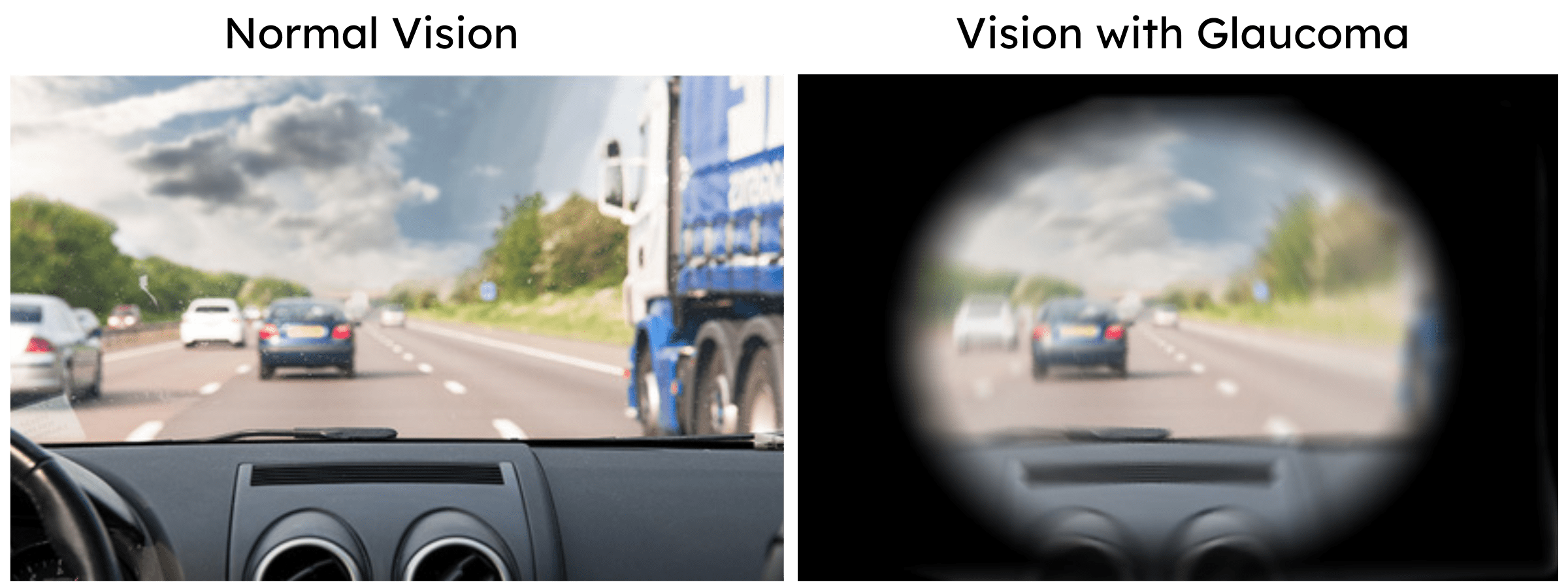
Glaucoma is a group of eye conditions that damage the optic nerve, often due to high intraocular pressure. If left untreated, glaucoma can lead to irreversible vision loss. Early detection and treatment are crucial to preserving vision.
Advanced Surgical Techniques
We employ state-of-the-art techniques to manage and treat glaucoma, including:
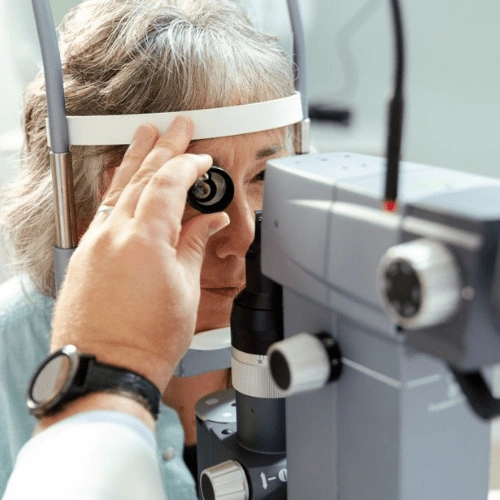
Laser Surgery
Minimally invasive procedures to reduce intraocular pressure.
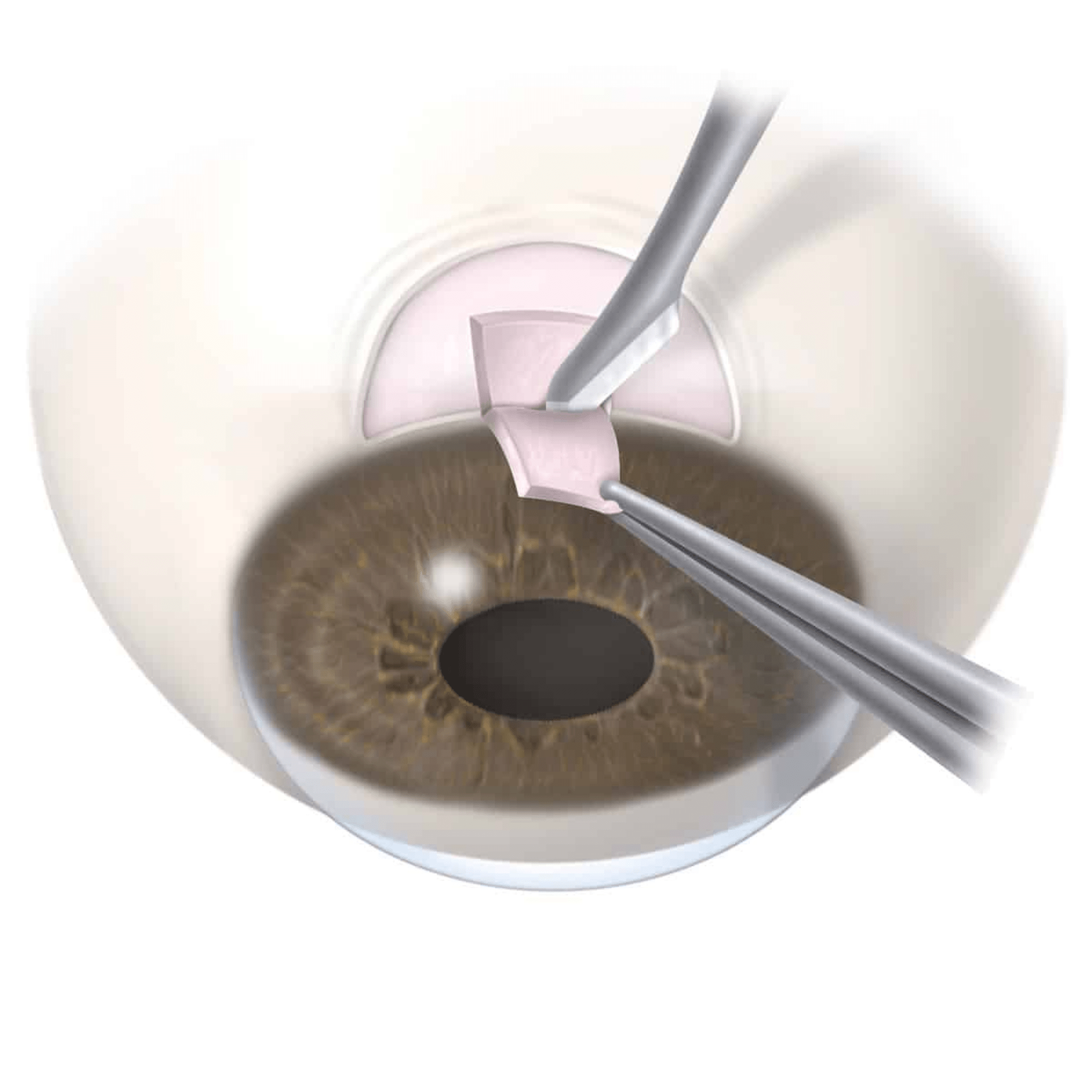
Trabeculectomy
A surgical procedure that creates a drainage pathway to lower eye pressure.
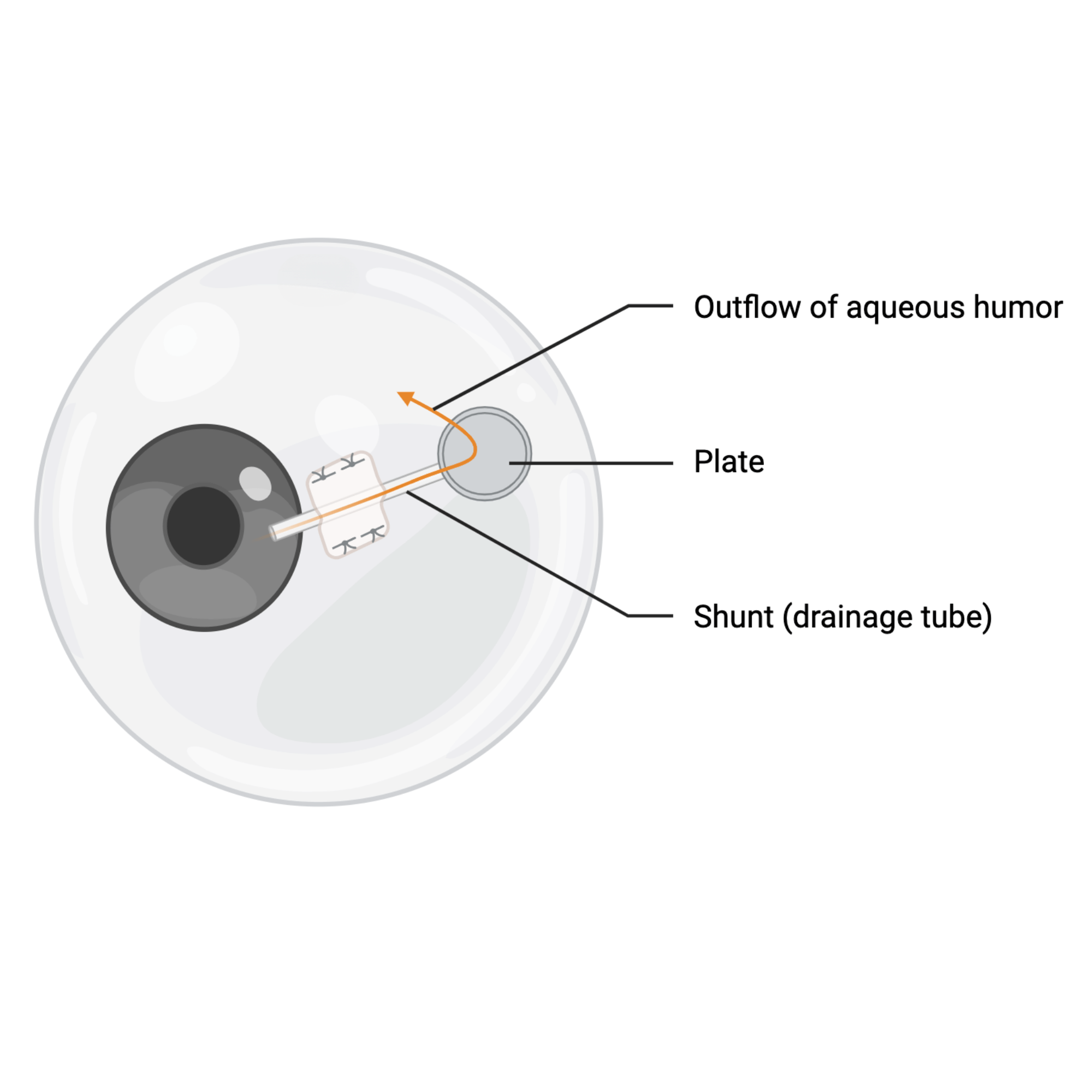
Drainage Implants
Tiny devices implanted to help fluid drain from the eye, reducing pressure.
Personalized Care
Each patient receives a thorough evaluation to determine the most effective treatment plan. We understand that every patient’s condition is unique, and we tailor our approach to meet individual needs, ensuring optimal outcomes.
Your Journey to Better Vision
Consultation
Schedule an appointment for a comprehensive eye exam and consultation.
Diagnosis
Receive a detailed diagnosis and personalized treatment plan.
Treatment
Undergo advanced glaucoma surgery tailored to your needs.
Recovery
Benefit from ongoing care and support to ensure successful recovery and long-term eye health.
Symptoms of Glaucoma
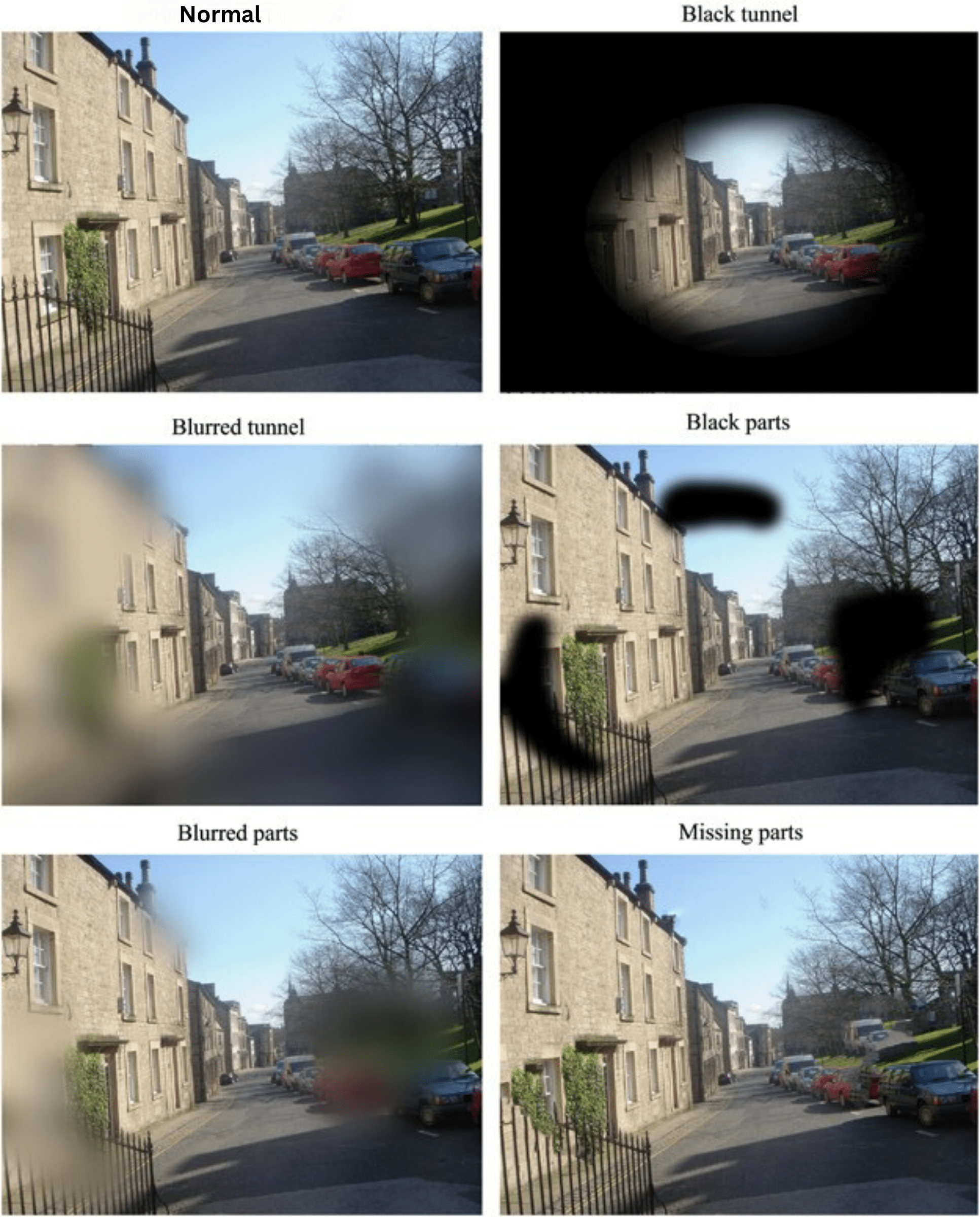
Many people with glaucoma have no symptoms in the early stages. This is one reason routine eye examinations are important, particularly for people with glaucoma risk factors.
- Gradual loss of peripheral or side vision
- Difficulty noticing objects to the side
- Blind spots in the visual field
- Changes in vision that may become more noticeable as glaucoma progresses
- Severe eye pain, headache, blurred vision, halos around lights, nausea or vomiting can occur in some acute forms of glaucoma and require urgent medical assessment.
Do not wait for symptoms before getting tested. A comprehensive eye examination can help identify glaucoma or glaucoma-related changes before significant vision loss becomes obvious.
Note: In most cases, glaucoma is asymptomatic (has no symptoms). By the time an individual experiences decreased vision, the disease is frequently in its latter stages. Since early warning signs of glaucoma are rare, it is important — especially for those at risk to have medical eye examinations at appropriate intervals, as described in this section.
Who are at risk?
Anyone can suffer from glaucoma. But some people are at more risk than others and risk factors are:
- Increasing age.
- Nearsightedness
- Family history of glaucoma children & siblings of known glaucoma patients should get their eyes checked regularly.
- Previous eye injuries or surgeries.
- Other diseases such as diabetes or high blood pressure.
- Thin Corneas are a risk factor for Glaucoma.
Can Glaucoma be prevented?
- Glaucoma generally has no signs or symptoms until serious loss of vision has occurred.
- If you have a family history of Glaucoma you are at a higher risk and hence need a regular eye check-up. Everyone, from babies to senior citizens, is at risk of developing this disease.
- The best way to protect against the damage is early diagnosis, proper treatment, and regular follow-ups.
- You and your doctor will need to become partners and work together to control your condition and prevent it from advancing.
Do you want Glaucoma Surgery in Mumbai?
Doctor Eye Institute
Contact Doctor Eye Institute Today
We are committed to deliver top-notch care to our patients, and we value your feedback as it plays a crucial role in enhancing our services and ensuring continuous improvement.