

Cornea Specialist in Andheri at Doctor Eye Institute
Doctor Eye Institute offers the cornea surgery in Andheri and is well-equipped to treat all types of eye problems, including cataracts and bladeless Lasik surgery, as well as more serious issues such as glaucoma and cornea transplants in mumbai.
What is Cornea?
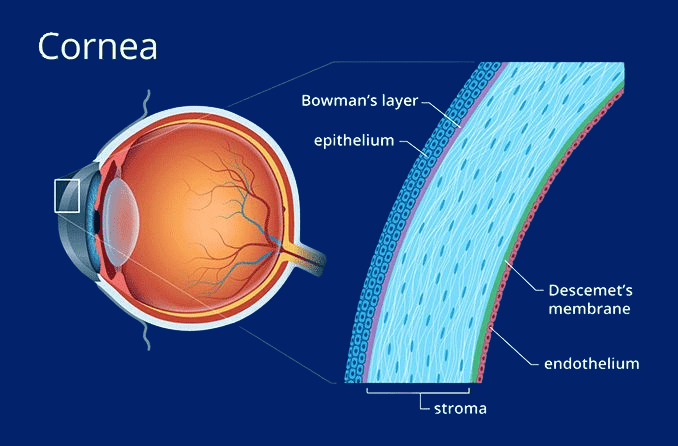
The cornea is the clear outermost layer of the eye. It covers the pupil, iris, and anterior chamber. The cornea’s main function is to refract light. The cornea is composed of proteins and cells. It does not have blood vessels, unlike most of the tissues
Surgical Treatments for cornea at Doctor eye institute
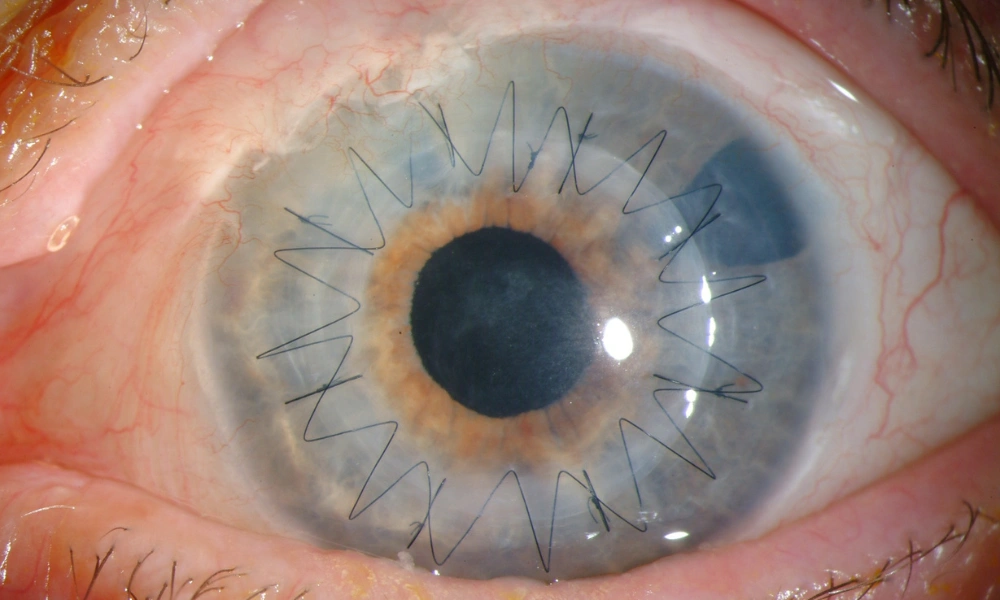
Penetrating Keratoplasty (PK)
Full-thickness corneal transplant for severely damaged corneas.
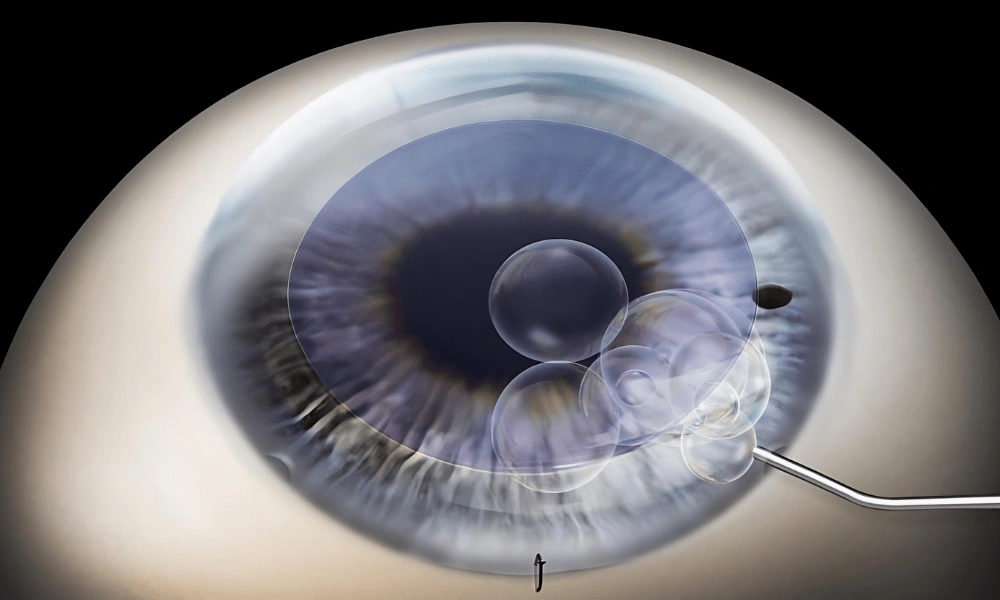
Endothelial Keratoplasty (DSEK/DMEK)
Partial-thickness transplant that replaces only the damaged inner layers of the cornea.
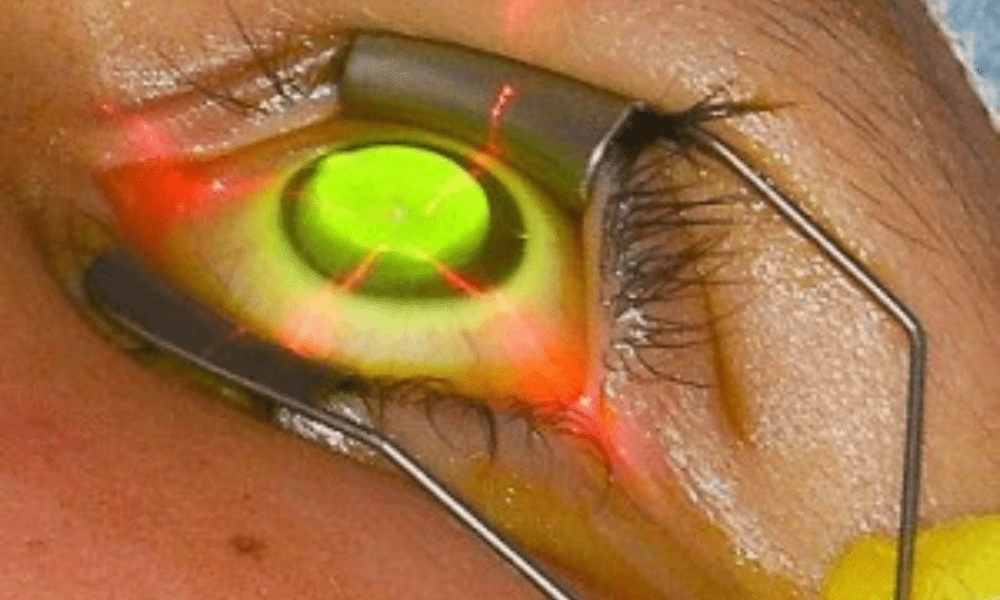
Collagen Cross-Linking
A minimally invasive procedure that strengthens the corneal tissue in patients with keratoconus, halting its progression.
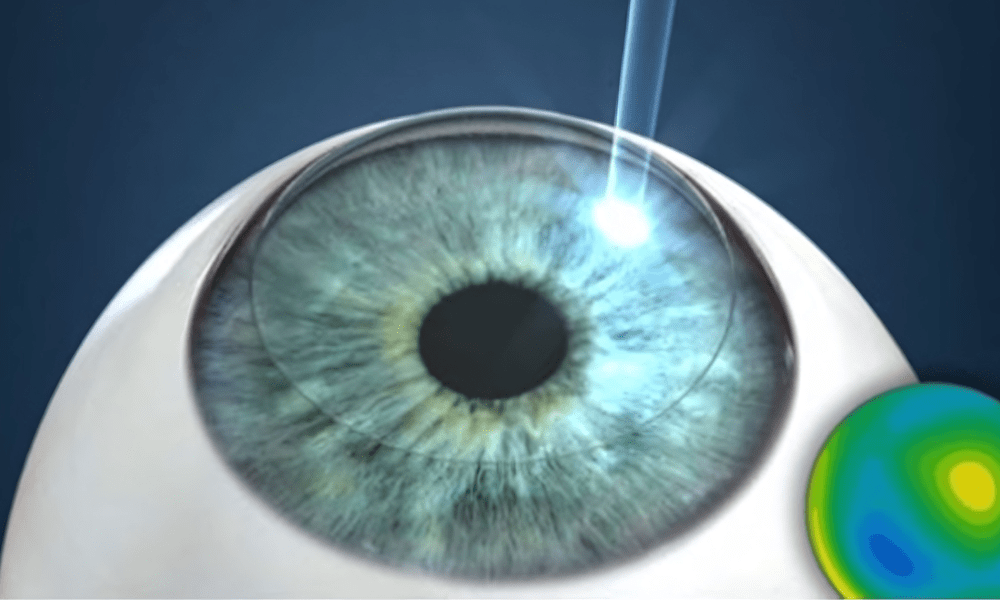
Phototherapeutic Keratectomy (PTK)
Uses a laser to remove superficial corneal irregularities and improve vision.
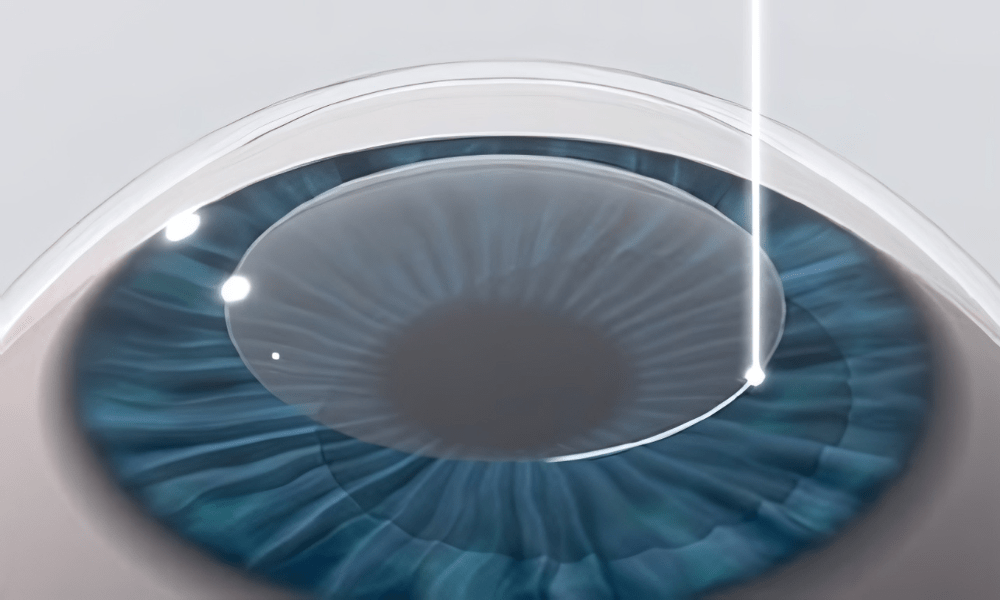
LASIK/PRK/CLEAR
Laser procedures to correct refractive errors, such as near-sightedness.
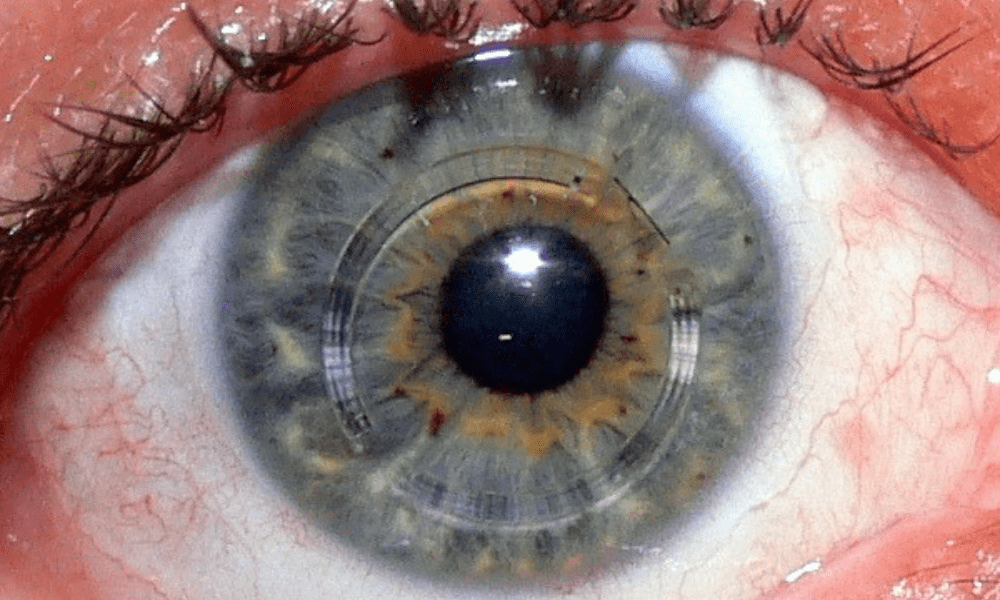
Intracorneal Ring Segments
Small implants placed in the cornea to reshape and stabilize it in keratoconus patients, improving vision.
Cornea Specialist and Cornea Surgery
in Andheri, Mumbai
Think of the cornea as the clear glass window at the front of your eye. When this window is clean, smooth and correctly curved, light passes through it neatly and you see clearly. When it becomes cloudy, scarred, thin or irregular, your vision can turn blurred, hazy or distorted, and sometimes glasses no longer help.
At Doctor Eye Institute, our cornea specialist in Andheri diagnoses and treats a wide range of corneal conditions, from keratoconus and corneal infections to scars that need a corneal transplant. Every treatment plan is built around your diagnosis, how advanced the condition is, and what you need from your vision in daily life.
What Is the Cornea and Why Does It Matter?
Assessment
The cornea is the clear, dome-shaped outer layer that covers the coloured part of your eye (the iris) and the pupil. It has no blood vessels, which is what keeps it transparent. Together with the natural lens inside the eye, it bends incoming light so that it focuses sharply on the retina at the back of the eye. In fact, the cornea does most of this focusing work.
This is why even small changes in the shape, thickness or clarity of the cornea can have a big effect on how well you see.
Common Cornea Problems
and What Causes Them
Some corneal conditions develop slowly over years, while others appear suddenly after an injury or infection. The conditions we most commonly treat include:
- Keratoconus: the cornea gradually thins and bulges forward into a cone shape, causing blurred and distorted vision. It often begins in the teenage years or twenties.
- Corneal infections (keratitis): caused by bacteria, fungi or viruses, and sometimes linked to improper contact lens use or an eye injury.
- Corneal scars and opacity: cloudy patches left behind after an infection, injury or inflammation.
- Eye injuries: scratches, foreign bodies or chemical exposure affecting the cornea.
- Endothelial disorders: problems with the innermost layer of the cornea that make it swell and turn hazy, such as Fuchs’ dystrophy or swelling after earlier eye surgery.
- Inherited or age-related corneal conditions: known as corneal dystrophies and degenerations.
- Irregular corneal shape: which can cause high or unusual spectacle power (astigmatism).
Symptoms of Cornea Problems
Assessment
Corneal problems do not always cause pain. Watch out for:
- Blurred, hazy or distorted vision
- Spectacle power that keeps changing, especially a rising cylinder (astigmatism) number
- Glare, halos or ghosting around lights, particularly at night
- Sensitivity to light
- Redness, pain, watering or a feeling that something is in the eye
- A white or cloudy spot on the dark part of the eye
Sudden pain, redness and reduced vision, especially if you wear contact lenses, can be a sign of a corneal infection. Please see an eye doctor the same day.
How Are Cornea Problems Diagnosed?
A detailed cornea evaluation at Doctor Eye Institute may include:
- Vision testing to check how clearly you see
- Slit-lamp examination: a microscope view of the cornea and the front of the eye
- Corneal topography or tomography: a detailed map of the shape of your cornea, which is key to detecting keratoconus early
- Pachymetry: a quick measurement of corneal thickness
- Tear film and eye surface assessment
- Medical, eye and family history
- Other tests when needed, such as samples to identify the cause of an infection
Most of these tests are quick and painless. The results help your ophthalmologist understand exactly what is happening in your cornea and choose the right treatment.
Cornea Treatment and Surgery
at Doctor Eye Institute
Not every corneal problem needs surgery. Many are managed with eye drops, medicines or speciality contact lenses. When surgery or laser treatment is the right choice, Doctor Eye Institute offers the following options for cornea surgery in Andheri.
Collagen Cross-Linking (CXL / C3R) for Keratoconus
Cross-linking is the main treatment used to stop keratoconus from getting worse. Riboflavin (vitamin B2) eye drops are applied to the cornea and activated with controlled ultraviolet light. This strengthens the bonds between the collagen fibres of the cornea, making it firmer and more stable. Its aim is to halt progression rather than restore lost vision, which is why early keratoconus treatment makes such a difference.
Intracorneal Ring Segments (ICRS)
These are tiny, clear, curved implants placed within the cornea. In selected keratoconus patients, they help flatten and reshape the cornea, which can improve vision and make contact lenses easier to wear.
Penetrating Keratoplasty (PK): Full-Thickness Corneal Transplant
In a full-thickness corneal transplant, the damaged central part of the cornea is replaced with healthy donor cornea from an eye bank. It is considered when scarring, infection or disease affects all layers of the cornea and other treatments cannot restore useful vision.
Endothelial Keratoplasty (DSEK / DMEK): Partial-Thickness Corneal Transplant
When only the innermost layer of the cornea is damaged, as in Fuchs’ dystrophy or corneal swelling after cataract surgery, the whole cornea often does not need to be replaced. DSEK and DMEK replace just this thin inner layer with donor tissue and keep your own healthy outer cornea in place. This usually means a smaller wound, fewer stitches and a faster visual recovery than a full-thickness transplant.
Phototherapeutic Keratectomy (PTK)
PTK uses a precise excimer laser to gently smooth away superficial scars, surface irregularities and certain surface disorders of the cornea. It can improve vision and ease discomfort, including repeated painful episodes caused by a loose corneal surface.
LASIK, PRK and CLEAR Laser Vision Correction
If you would like to reduce your dependence on glasses or contact lenses, laser vision correction reshapes the cornea to correct short-sightedness, long-sightedness and astigmatism. LASIK works under a thin corneal flap, PRK treats the surface without a flap, and CLEAR is a flapless keyhole procedure. We carefully check the shape, thickness and health of your cornea before recommending which option, if any, is safe for you.
Benefits and Risks of Cornea Surgery
Depending on your condition, cornea treatment can sharpen and stabilise vision, reduce distortion and glare, clear a cloudy cornea, relieve discomfort, stop keratoconus from progressing and, in some cases, reduce your need for glasses.
As with any eye surgery, there are possible risks, and these differ from one procedure to another. Your surgeon will explain them clearly, along with what to expect, so that you can make an informed decision.
Why Choose Doctor Eye Institute for Cornea Care in Andheri?
For more than six decades, Doctor Eye Institute has been a trusted name for eye care in Andheri. Our cornea service manages everything from routine refractive correction to complex keratoconus and corneal transplant cases.
Diagnostic testing, treatment planning, surgery and post-operative follow-up all take place under one roof at our Andheri West centre, so your care stays in one place from the first visit to full recovery.
Recovery and Aftercare After Cornea Surgery
Recovery depends on the procedure. After some laser treatments, many people return to routine work within days, while vision after a corneal transplant improves gradually over several months. To help your eye heal well:
- Use your eye drops exactly as prescribed and do not stop them on your own
- Do not rub or press on the operated eye
- Wear the protective shield or glasses as advised
- Keep water, soap and dust out of the eye in the early days
- Attend every follow-up visit so that we can monitor healing
- After a corneal transplant, contact us promptly if you notice redness, light sensitivity, pain or a drop in vision
When Should You See a Cornea Specialist?
Book a cornea consultation if you:
- Have blurred or distorted vision that glasses do not fully correct
- Need frequent changes in your spectacle power
- Have been diagnosed with keratoconus, or have a family member with it
- Have a corneal scar, a cloudy cornea or a past eye injury
- Experience persistent glare, light sensitivity or eye discomfort
- Are thinking about LASIK or another laser vision correction procedure
An early assessment helps decide whether monitoring, medicines, speciality contact lenses, laser treatment or surgery is right for you.
Book a Cornea Consultation in
Andheri West, Mumbai
If you are living with blurred vision, keratoconus or a cloudy cornea, the first step is a thorough cornea evaluation. Book an appointment at Doctor Eye Institute, Andheri West, and get clear answers about your eyes and your treatment options.
Benefits and Risks
Benefits
Cornea surgery can significantly improve vision quality, reduce dependency on corrective lenses, and provide relief from discomfort and pain associated with corneal disorders. It can also restore vision in cases of severe corneal opacity or injury, thereby enhancing the overall quality of life.
Risks
As with any surgical procedure, cornea surgery carries potential risks. These may include graft rejection (in the case of corneal transplants), visual disturbances such as glare or halos, and complications related to healing. Patients are thoroughly evaluated before surgery to minimize these risks.
Pre-Operative Assessment
A comprehensive pre-operative assessment is crucial to determine the most appropriate surgical approach. This assessment includes visual acuity tests, corneal topography to map the curvature of the cornea, pachymetry to measure corneal thickness, and other diagnostic tests. The patient’s medical history and current health status are also reviewed to identify any potential contraindications or complications.
Post-Operative Care
Post-operative care is essential for successful recovery and optimal outcomes. Regular follow-up visits are scheduled to monitor healing and detect any early signs of complications. Patients are advised to avoid strenuous activities, protect their eyes from injury, and follow their doctor’s specific post-surgery instructions.
Choosing Doctor Eye Institute
Doctor Eye Institute in Mumbai is renowned for its expertise in cornea surgery since 6 decades. Whether for routine refractive correction or complex corneal transplants, Doctor Eye Institute provides high-quality care to help patients achieve the best possible outcomes.
Frequently Asked Questions About Cornea Surgery
Cornea surgery covers procedures that repair, strengthen, reshape or replace a damaged cornea. Examples include collagen cross-linking for keratoconus, laser treatment of surface scars, laser vision correction, and full or partial corneal transplants. The right procedure depends on your condition.
Yes, in most cases. When keratoconus is detected early, collagen cross-linking can stop it from progressing, and vision can be improved with glasses, speciality contact lenses or intracorneal ring segments. A corneal transplant is usually needed only in advanced cases.
A corneal transplant is considered when the cornea is so scarred, swollen or diseased that vision cannot be restored with medicines, contact lenses or laser treatment. Depending on which layers are affected, a full-thickness (PK) or partial-thickness (DSEK or DMEK) transplant may be advised.
Most cornea procedures are done under numbing eye drops or local anaesthesia, so you should not feel pain during surgery. Some discomfort, watering or light sensitivity for a few days afterwards is common, especially after cross-linking or PRK, and is managed with medicines.
It depends on the procedure. Recovery after laser procedures is usually quick, while vision after a corneal transplant improves gradually over several months and needs regular follow-up visits.
Donor corneas come from eye banks and are donated by people who pledged their eyes after death. All donor tissue is carefully screened and tested before it is used for a transplant.
Doctor Eye Institute in Andheri West, Mumbai offers complete cornea care, including keratoconus treatment, collagen cross-linking, laser procedures and corneal transplant surgery.
Do you want cornea surgery in Andheri? Call Us!
Stop corneal diseases from destroying your vision! At Doctor Eye Institute, you can get advanced eye treatment from the cornea specialist in Andheri and improve your vision. Call +91 99303 09433 for Cornea Surgery in Andheri.
Doctor Eye Institute
Contact Doctor Eye Institute Today
Doctor Eye Institute offers a range of eye care services in Andheri. Using modern ophthalmic equipment. Services include vision testing, refractive and cataract surgery, bladeless LASIK, glaucoma management, retinal care, oculoplasty, and pediatric eye care.
We are committed to deliver care to our patients, and we value your feedback as it plays a crucial role in enhancing our eye care services and ensuring continuous improvement.